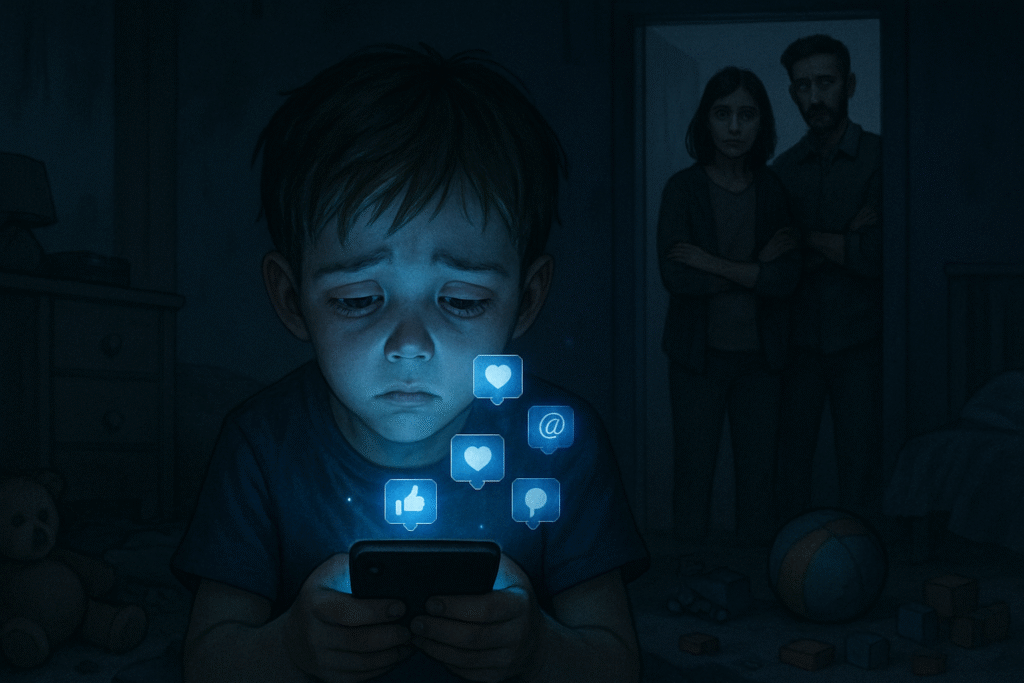
How Everyday Online Behavior Can Expose Your Entire Digital Life
The New Reality of Online Danger
We live in a world powered by data—but that same digital power exposes us in ways we often don’t realize. Every time you log in to a website, upload a photo, or accept app permissions, you leave behind a digital trail. That trail can easily be manipulated or misused.
Cyber threats today don’t just target businesses—they target people. Even the most tech-aware users unknowingly reveal sensitive information that hackers or data miners can exploit.
The scary part? Most breaches don’t happen through sophisticated hacking tools. They happen because of small, everyday mistakes that make it easy for someone to “get in.” Hackers no longer break into systems; they simply find ways to break you.
How AI Is Changing the Face of Cybercrime
Artificial Intelligence has redefined how cybercriminals approach scams. Advanced AI tools can now manipulate faces, replicate voices, and generate videos that look completely real.
In recent years, there’s been a rise in deepfake blackmail, where fake visuals created using real photos are used to threaten individuals. These scams often begin with simple data scraping—AI collects images and personal details from social media and combines them into highly believable forgeries.
A single casual selfie or friendly social post can become a weapon in the wrong hands. Every piece of information we share online, no matter how harmless, becomes part of a larger puzzle—and sometimes, that’s all a criminal needs.
The Silent Data Harvest: What Big Platforms Collect
Behind every email or account login lies far more information than most people realize. Your inbox, photos, banking information, health data, contact lists, and even the routes you travel daily are all connected to your email identity.
This interconnected network makes hacking one account as dangerous as accessing all of them at once.
And here’s the twist—it’s not illegal. Most platforms collect the data you “agree” to share through terms and conditions that no one actually reads.
In a nutshell, you aren’t just using digital platforms—they’re using you as a source of information.
How Accounts Are Compromised (and It’s Not Always Hacking)
When you think of hacking, you probably imagine a dark room full of screens and code. But real-world digital breaches often happen with a single wrong tap or misplaced trust.
Common methods include:
- Clicking on phishing links that look legitimate.
- Logging in on shared or compromised devices.
- Leaving an old device connected to an account without remembering it.
Even a few seconds of access to a synced phone or laptop can allow criminals to silently install trackers, access backups, or spy on activity.
The formula is simple: technology + carelessness = vulnerability.
The Global Scope of Cybercrime
Digital crime is now a trillion-dollar global industry. From credit card leaks to ransomware takeovers, every click has economic consequences.
International cybercrime networks now operate with near-professional precision—targeting banks, public systems, corporate databases, and private citizens alike.
What experts have found is telling: The weakest point isn’t an app or system. It’s often the human sitting behind it. Countries that invest in cybersecurity education and public awareness see far fewer large-scale breaches. Awareness, it turns out, is the best encryption.
Practical Habits for Everyday Cyber Safety
Protecting yourself online doesn’t require becoming a tech expert—it requires small, smart habits practiced daily.
Here are five steps to strengthen your digital safety:
- Use eSIMs to prevent SIM-swapping scams.
- Avoid public Wi-Fi networks and suspicious USB drives.
- Never share personal ID details like Aadhaar or PAN via unsecured platforms.
- Audit app permissions regularly and remove what you don’t use.
- Check your login activity and backup codes to prevent unwanted access.
It’s the small routines—checking, updating, deleting—that keep your information safe.
Why Human Behavior Is the Weakest Link
The most advanced security systems in the world can’t protect against human error. That’s why social engineering scams work so well.
Cybercriminals study your posts, interests, or work history and craft convincing calls or messages that seem completely genuine.
They don’t hack machines—they hack trust.
Online awareness isn’t just about recognizing danger; it’s about slowing down and thinking twice before acting.
When something feels off, it probably is.
Password Myths Debunked
We’ve been told to use long, complex passwords—but complexity alone doesn’t equal safety. Many criminals don’t guess passwords—they already have them from past data leaks.
The smarter approach is layered protection:
- Use two-factor authentication for everything.
- Monitor login alerts on all major accounts.
- Never reuse passwords across apps or websites.
A good password is a start—but good behavior is better.
The Coming Wave: Quantum Cyber Threats
Quantum computing is set to revolutionize technology, but it’s also expected to make today’s encryption obsolete.
Systems that now take years to hack could be broken in seconds with quantum-level power.
The next frontier of cybersecurity will depend on adaptive encryption and AI-powered defense tools that evolve along with the threats. The key? Staying informed and ready before these new attacks become mainstream.
The Final Word: Awareness Is the Ultimate Firewall
The internet isn’t dangerous—it’s simply unguarded.
Every careless click, unchecked permission, or downloaded file can open invisible doors to attackers.
Digital security isn’t about fear—it’s about responsibility. When awareness becomes a daily mindset, your data becomes your strongest armor.
Remember this simple truth:
Being smart online isn’t enough anymore.
Being intentional, cautious, and alert—that’s what keeps you safe.